

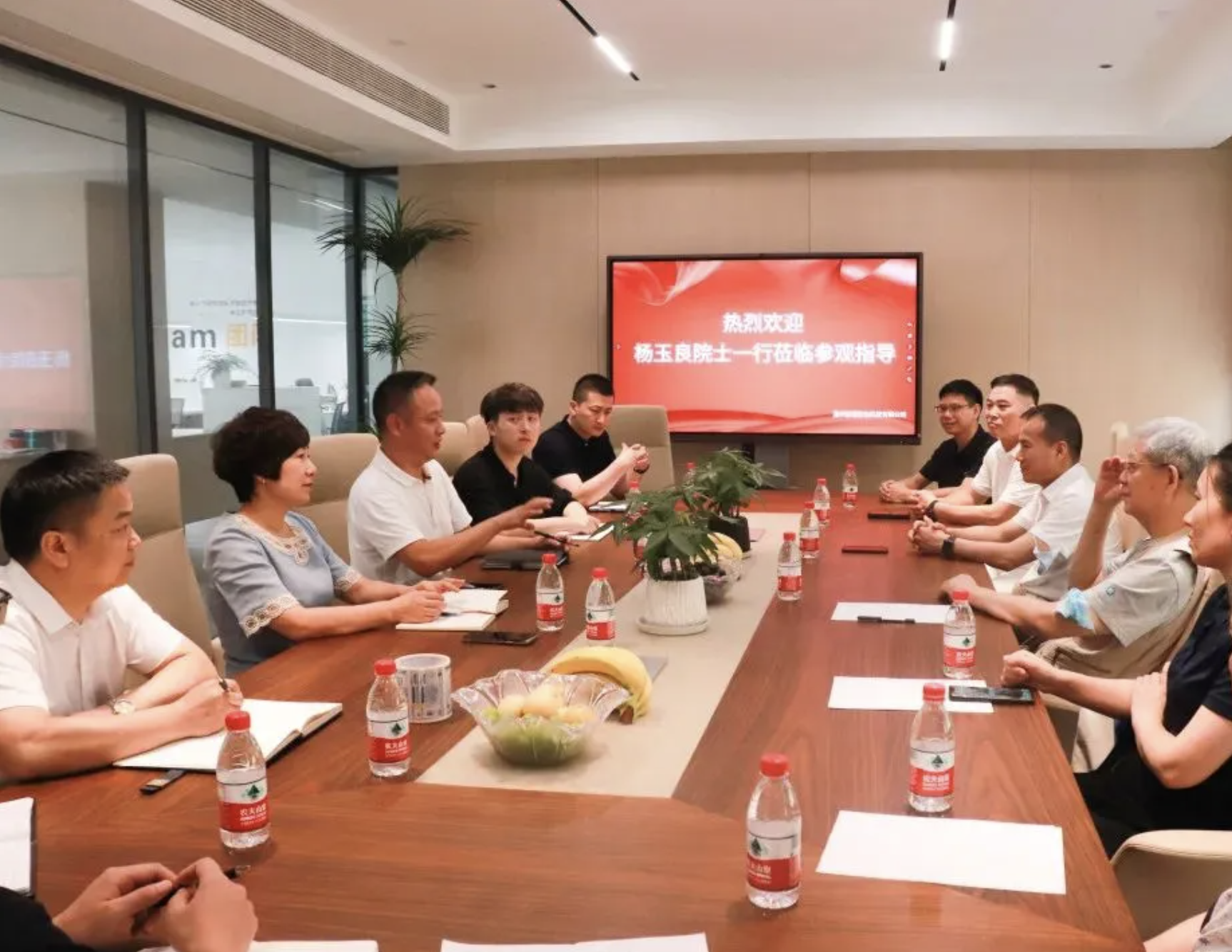
On August 22, Professor Yang Yuliang, Academician of the Chinese Academy of Sciences and former President of Fudan University, visited Wenzhou Haoge Anti-Counterfeiting Technology Co., Ltd. for an on-site technical exchange and guidance session.
The visit was attended by representatives from academic institutions and industry organizations, including researchers from polymer materials and printing technology fields. Haoge’s Chairman Zhang Xianzang and General Manager Xia Huangfang hosted the visit and presented the company’s ongoing work in anti-counterfeiting technology development.
From Materials to Process Innovation
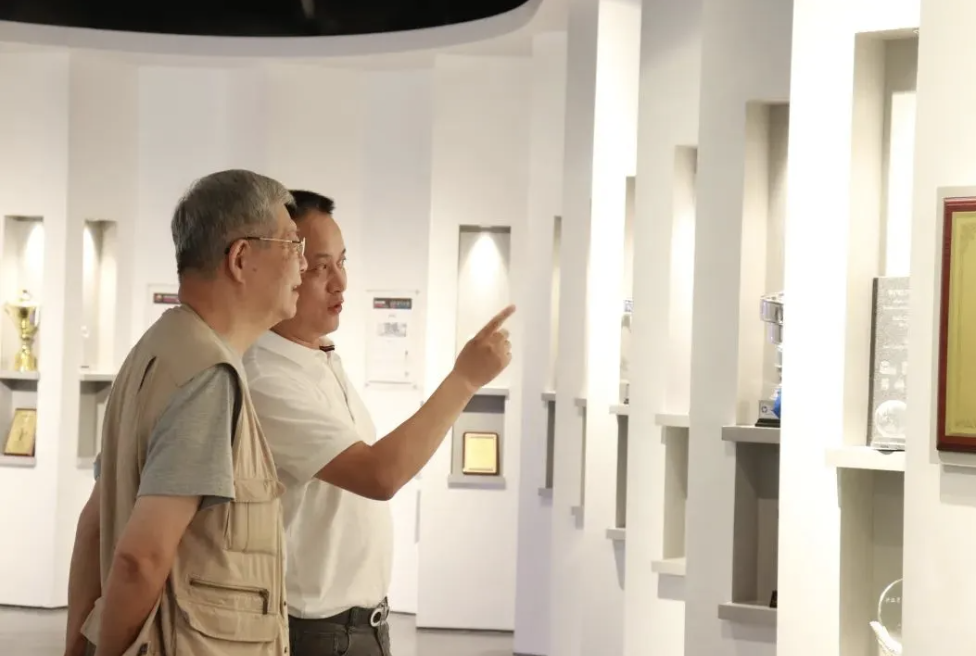
During the exhibition tour, Chairman Zhang introduced Haoge’s development journey from material selection and process engineering to customer-driven innovation and applied product development. He shared both the technical challenges and opportunities the company has encountered while pursuing differentiated growth within the security printing sector.
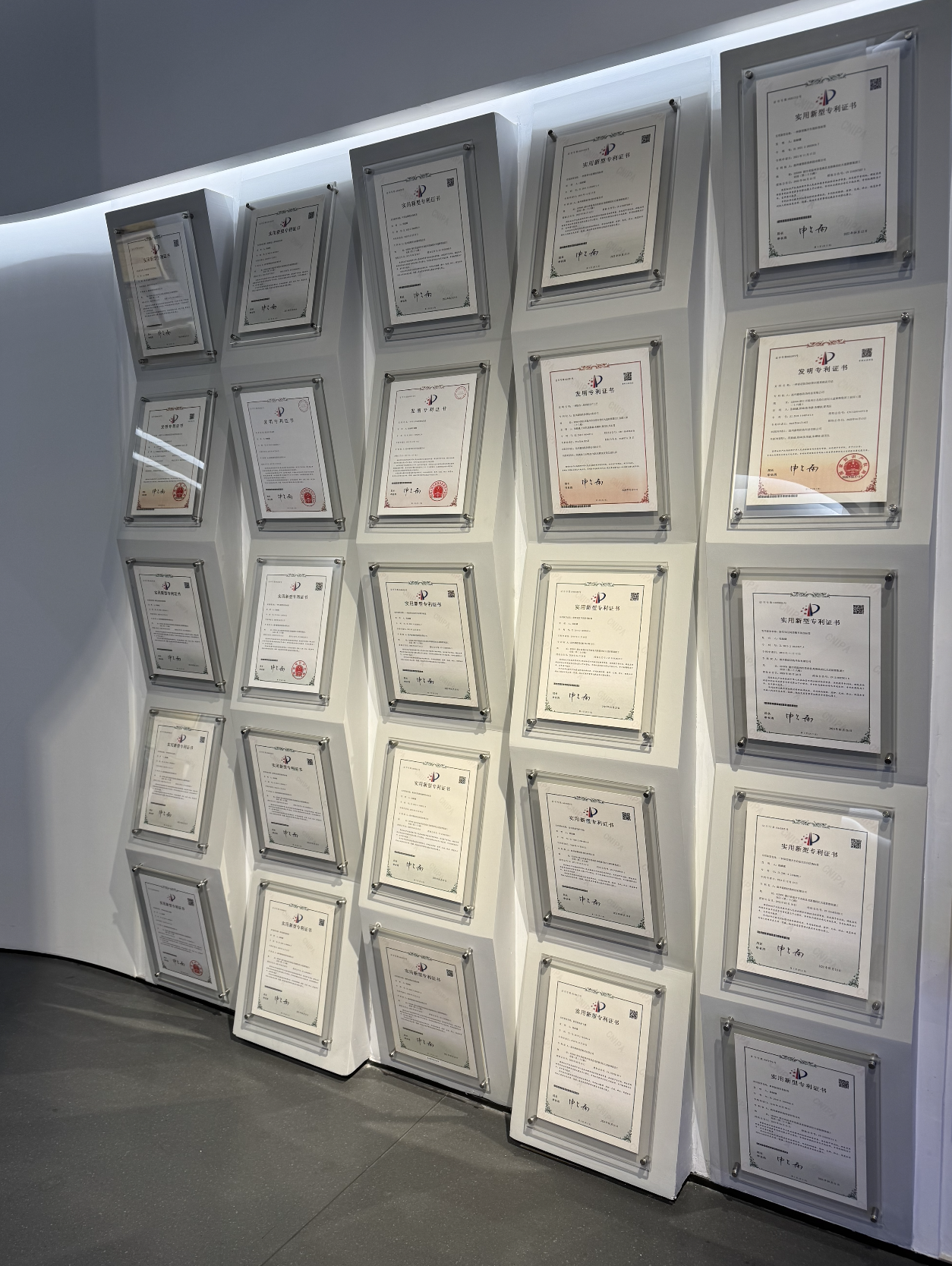
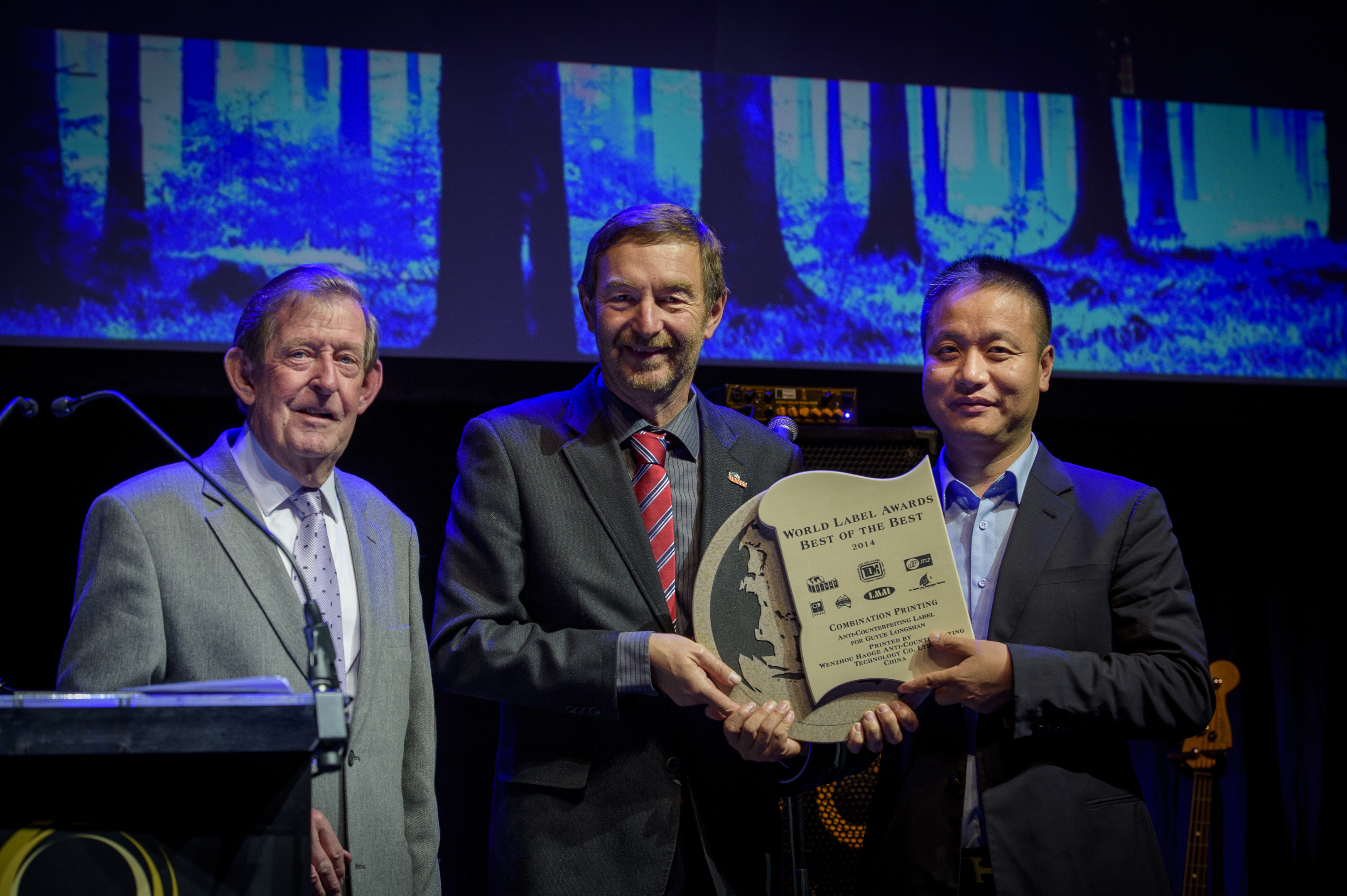
After reviewing Haoge’s product samples, certifications, and industry recognitions, Academician Yang spoke highly of the company’s contributions to anti-counterfeiting technology and its practical approach to innovation.
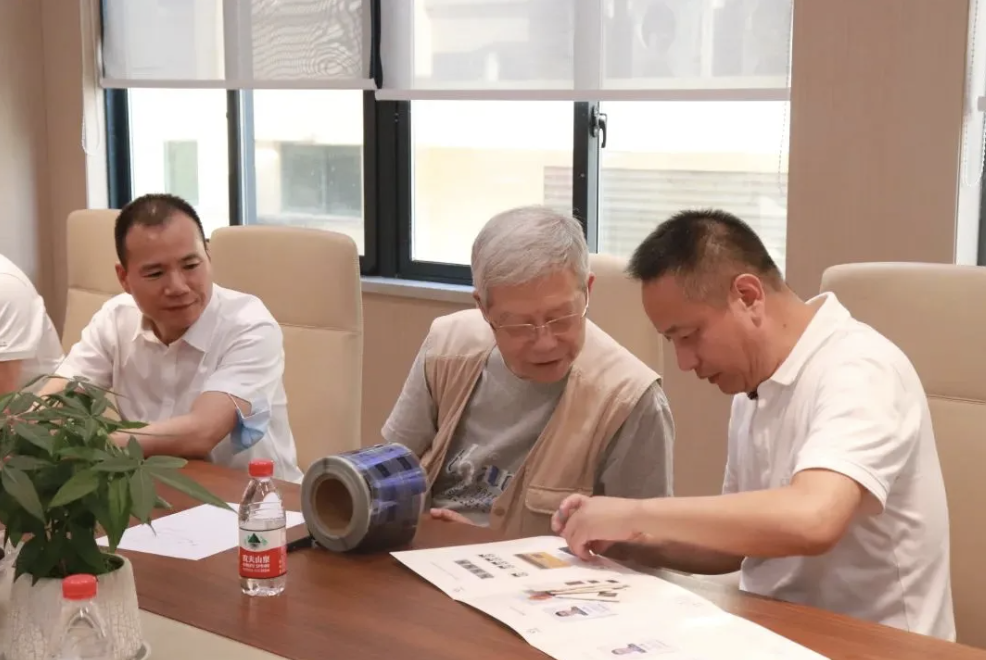
Deep Technical Dialogue on Next-Generation Security Technologies
At the subsequent technical discussion session, Haoge’s R&D team presented a range of products and concepts, including:
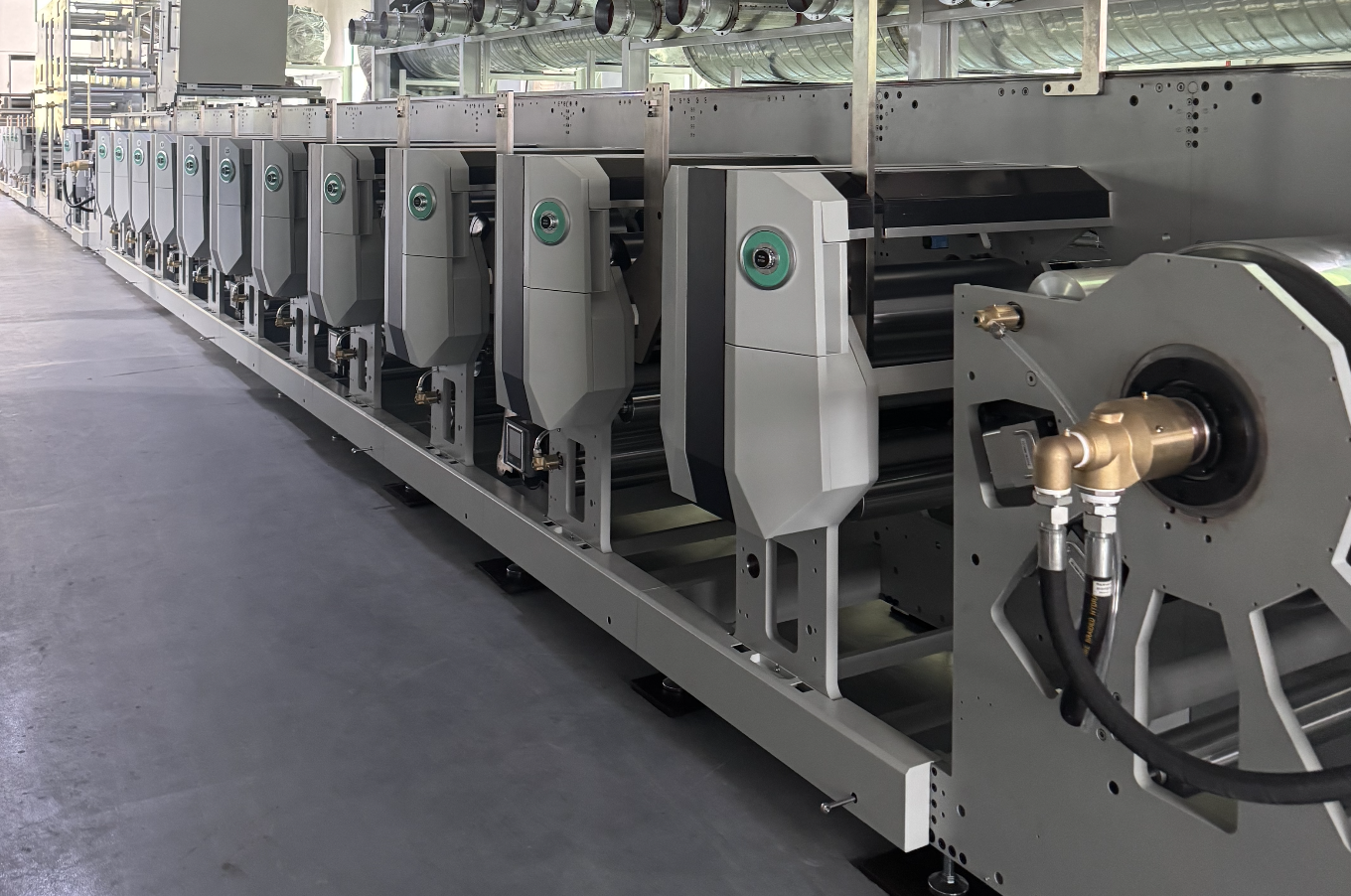
- Mature, large-scale production solutions
- New technologies under active development
- Current production bottlenecks and technical constraints
- Long-term exploration directions in anti-counterfeiting innovation
Chairman Zhang sought expert guidance on how to further advance security performance beyond conventional surface-level techniques.
Academician Yang affirmed Haoge’s achievements and encouraged the R&D team to continue embracing craftsmanship and long-term technical dedication. He also offered forward-looking insights on the future of anti-counterfeiting technology development.
Shifting from Surface Techniques to Material-Level Security
Academician Yang emphasized that while China’s label and security printing industry has made significant progress, there remains a technological gap compared with more advanced markets. He highlighted polymer materials science as a key area with high added value and strong potential for breakthrough innovation.
From an anti-counterfeiting perspective, he suggested that future solutions should not rely solely on surface processes, but instead integrate security features within the material structure itself, such as:
- Infrared and ultraviolet response control
- Temperature-sensitive material behavior
- Advanced optical technologies
These material-level security mechanisms, he noted, are significantly more difficult to replicate and represent a more fundamental form of anti-counterfeiting protection.
Academician Yang illustrated these concepts through on-site sketches and technical explanations, providing practical and accessible guidance that benefited all participants.
Strengthening Industry–Academia Collaboration
At the conclusion of the visit, industry representatives emphasized the importance of continued collaboration between research institutions and manufacturing enterprises. By aligning material science capabilities with real production requirements, such cooperation can accelerate the commercialization of advanced technologies and support higher-quality industry development.
Haoge views this exchange as an important step in strengthening its research-driven innovation strategy, reinforcing its commitment to material science integration, process depth, and long-term technical competitiveness.
 EN
EN