


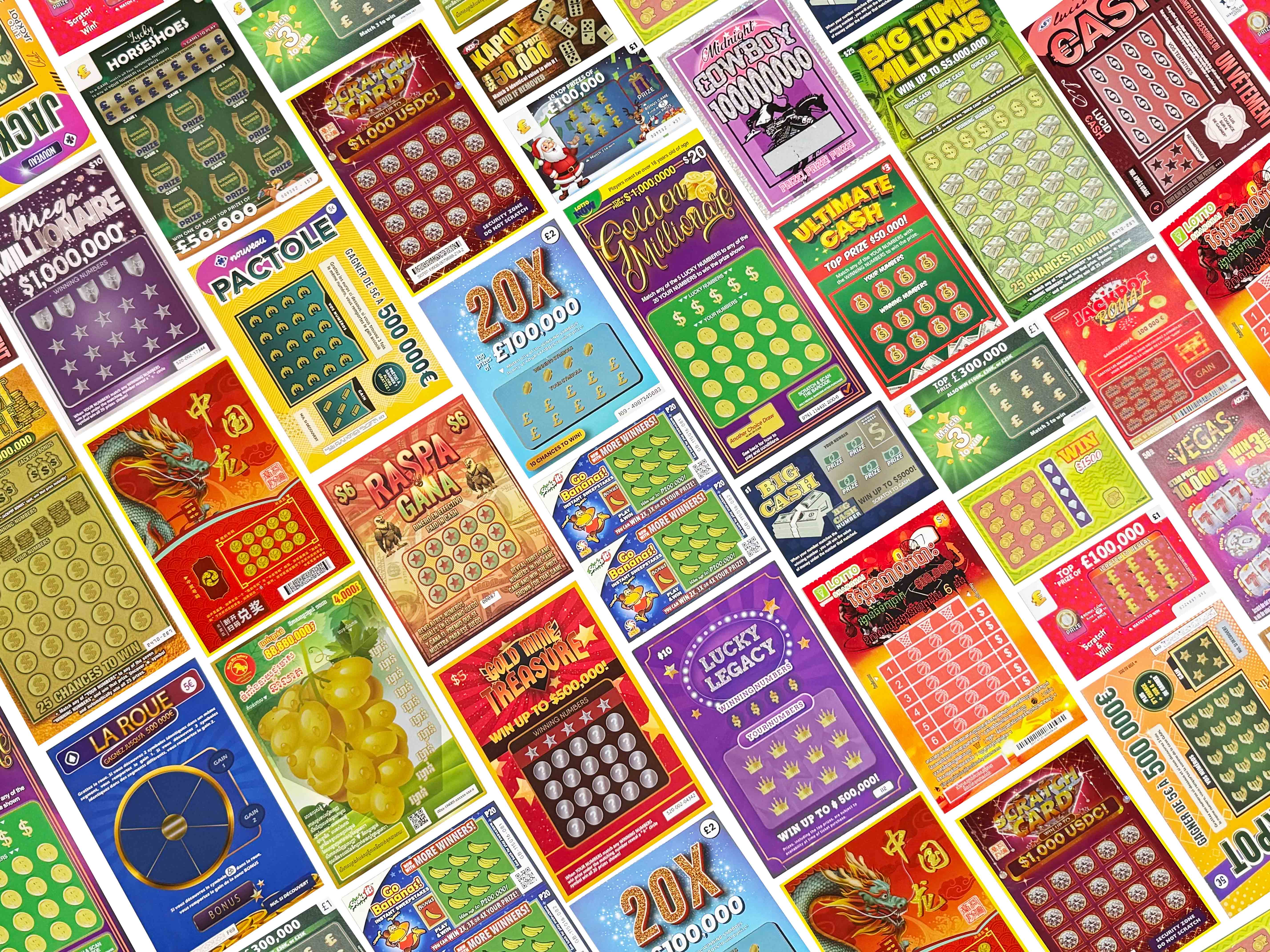
The Appeal of Interactive Promotions in Southeast Asia
Southeast Asia represents one of the most dynamic retail environments globally. With a combined population exceeding 680 million and a rapidly growing middle class, the region offers immense opportunities for brands looking to engage consumers through interactive promotions. Scratch-off cards, in particular, have proven to be a highly effective tool for driving foot traffic, boosting sales, and creating memorable brand experiences.
Consumer behavior across the region shows a strong affinity for gamified marketing. According to a 2025 survey by a regional marketing association, over 70% of urban consumers in Southeast Asia expressed positive reactions to scratch-card promotions, citing the excitement of instant results and the tangible nature of physical cards as key drivers. Unlike purely digital campaigns, physical scratch cards create a sensory connection that often leads to higher emotional engagement and better recall.
Understanding Consumer Preferences Across Markets
While the region shares some common traits, consumer expectations for promotional mechanics vary noticeably from country to country. A one-size-fits-all approach rarely works, and brands that tailor their campaigns to local preferences tend to see significantly higher redemption rates.
|
Market |
Preferred Prize Type |
Interaction Style |
Digital Integration Expectation |
|
Thailand |
Cash discounts, instant vouchers |
High-touch, in-store |
Moderate (QR codes preferred) |
|
Singapore |
Premium goods, exclusive experiences |
Seamless, fast |
High (app-based verification) |
|
Malaysia |
Grocery vouchers, fuel coupons |
Family-oriented |
Moderate to high |
|
Philippines |
Mobile load, small cash prizes |
Community-driven |
High (social media sharing) |
|
Vietnam |
E-commerce discounts, free shipping |
Digital-first |
Very high (online redemption) |
|
Indonesia |
Retail vouchers, convenience store credits |
Socially shared |
High (messaging app integration) |
In Thailand, for instance, consumers respond well to instant cash-back offers, while Singaporean shoppers often prefer exclusive product bundles or VIP experiences. Malaysian families tend to enjoy promotions that offer practical everyday items, and in the Philippines, mobile load credits remain a perennial favorite. Vietnamese and Indonesian consumers, both heavily digital-savvy, expect seamless online redemption processes alongside physical card interactions.
Designing for Cultural Relevance
The visual design of a scratch-off card must resonate with local cultural sensibilities. Colors, symbols, and even the language used on the card can significantly impact engagement.
In many Southeast Asian cultures, certain colors carry strong meanings. Gold and red are widely associated with prosperity and good fortune, making them excellent choices for scratch-off surfaces. Green and blue, while less traditional, can work well for health or lifestyle-related promotions. It is also wise to avoid imagery that might be considered taboo in specific markets—for example, certain animal symbols or religious iconography should be used with care.
Language is another critical factor. While English is commonly used in Singapore and the Philippines, campaigns in Thailand, Vietnam, and Indonesia are far more effective when presented in the local language. A practical compromise is to use bilingual cards with clear, simple instructions that cater to both local and international audiences.
Prize structures should also reflect local spending habits. A discount voucher worth 50,000 Vietnamese dong might be perceived very differently from a 50 baht cashback in Thailand, even though the relative values may be similar. Researching local price points and wage levels ensures that the reward feels meaningful to the recipient.
The Role of Physical Card Design in Brand Perception
The tactile quality of a scratch-off card speaks volumes about the brand behind it. A flimsy, poorly printed card can undermine consumer trust, while a sturdy, well-crafted card enhances perceived value. This is especially important in markets where quality signaling is a key purchase driver.
For premium brands, heavier cardstock (above 300gsm) with a matte or soft-touch finish creates a luxurious feel. Mass-market promotions, on the other hand, may prioritize cost-efficiency while still maintaining a clean, vibrant print. The scratch-off coating itself should be smooth and consistent—too rough and it feels cheap, too slick and it may not scratch cleanly.
An often-overlooked detail is the size and shape of the scratch panel. In markets where consumers are used to traditional lottery tickets, a rectangular panel feels familiar. But for younger, trendier audiences, custom-shaped panels—like a brand logo or a product silhouette—can generate extra curiosity and social media buzz. A beverage brand in Indonesia, for example, used bottle-shaped scratch areas on their cards and saw a 25% higher engagement rate compared to standard rectangles.
Integrating Digital and Offline Experiences
Modern scratch-off campaigns no longer exist in a physical vacuum. Consumers increasingly expect to verify their results online, share their wins on social media, or even redeem prizes through mobile apps. Bridging the offline card and the digital world is a powerful way to extend campaign reach and gather valuable data.
QR codes printed on the card surface (or even beneath the scratch coating) allow consumers to scan for instant prize confirmation, bonus content, or entry into a secondary draw. This not only reduces fraud but also enables brands to capture consumer behavior data for future targeting. In Vietnam and Indonesia, where mobile penetration exceeds 80%, such integration is practically a requirement for any large-scale promotion.
Another effective tactic is to encourage social sharing. Including a call-to-action like “Share your win on Facebook for an extra entry” can turn individual participants into brand ambassadors. Campaigns that incorporate this layer often see organic reach multiply by several times, driven entirely by user-generated content.
Production and Logistics for Regional Campaigns
Running a campaign across multiple Southeast Asian countries presents production and distribution challenges that are often underestimated. Card batches must be produced in the correct quantities per market, with appropriate language variants and local prize information. Managing variable data—such as unique codes or serial numbers—is essential for tracking and fraud prevention.
A robust production workflow should include:
● Separate artwork files for each market’s language and design preferences
● Precise variable data printing for individual card tracking
● Automated inspection to verify code readability and print quality
● Secure packaging that prevents tampering during transit
● Flexible logistics partners capable of handling customs and local distribution
Haoge Anti-Counterfeit has extensive experience supporting multinational brands with region-wide scratch-off productions. The company’s two manufacturing facilities in Wenzhou and Shanghai operate under strict quality control systems, ensuring that every card batch meets the specific requirements of each destination market. With a dedicated R&D team and ERP/MES production management, Haoge provides full traceability from raw materials to final delivery.
Looking for a trusted partner to produce scratch-off cards for your Southeast Asian campaigns? Haoge Anti-Counterfeit offers customized printing, variable data solutions, and secure packaging tailored to each market. Contact the engineering team to discuss your project requirements.
 EN
EN