


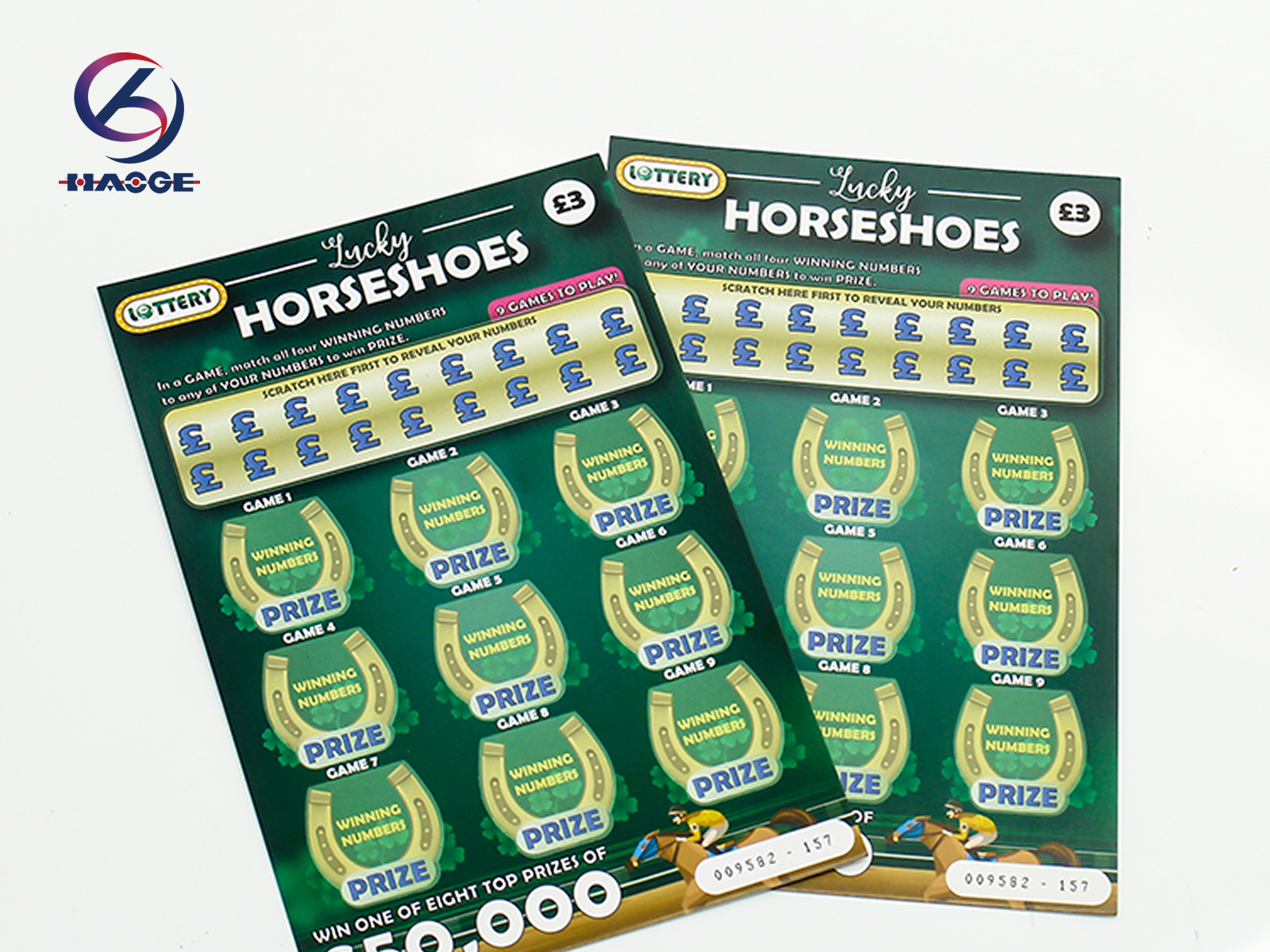
The Psychology Behind the Scratch
The scratch-off mechanic works because it taps into something fundamental about human psychology. The act of scratching activates the brain's reward system in ways that passive reveal methods don't. There's a reason people spend hours on lottery scratch tickets but wouldn't feel the same thrill from simply being handed a coupon. The physical action creates anticipation, and the uncertainty of the outcome amplifies the emotional response when the result is revealed.
For marketing campaigns, this psychological hook translates directly into engagement metrics. A well-designed scratch-off card can drive higher redemption rates than a standard discount coupon, generate social media buzz through shared experiences, and create memorable brand interactions that customers actually enjoy.
The design challenge, then, is not just about making a card that looks good. It's about engineering an experience that maximizes that psychological impact while serving the campaign's specific marketing objectives.
Prize Structure Strategy
The prize structure is the single most important design decision in any scratch-off campaign. It determines the player's experience, the campaign's cost, and the overall effectiveness of the promotion.
A common mistake is making prizes too uniform. When every card offers roughly the same value, the excitement dissipates. The anticipation of a potential big win is what drives engagement. At the same time, the prize pool must be structured to stay within budget.
The industry standard approach uses a tiered structure:
- A small number of high-value prizes that create excitement and buzz
- A moderate number of mid-tier prizes that feel meaningful
- A large number of small prizes or "consolation" outcomes that keep participation rates high
For a typical retail promotion, a common distribution might be 1 percent grand prize winners, 9 percent mid-tier winners, and 40 percent small prize winners, with the remaining 50 percent receiving a non-monetary reward like a digital coupon or entry into a secondary draw.
The prize value itself should be calibrated to the campaign's goals. If the objective is customer acquisition, higher-value prizes may be justified. If the goal is loyalty reinforcement, smaller, more frequent rewards might be more effective.
Visual Design That Drives Engagement
The visual design of a scratch-off card does more than just look attractive—it shapes the entire user experience. Several design principles consistently drive higher engagement:
The scratch-off panel should be visually distinct. A plain gray rectangle signals "lottery ticket" in a way that might not align with a brand's premium positioning. Custom colors, branded shapes, or even custom textures can make the scratch experience feel unique to the campaign. Some brands use their logo shape as the scratch area, reinforcing brand recognition with every scratch.
The card face should build anticipation. The design should hint at what's underneath without revealing it. Visual cues—like question marks, treasure chests, or gift boxes—create curiosity that drives the player to scratch.
Color psychology matters. Certain colors are associated with winning and excitement—gold, red, and bright metallic finishes tend to perform well for scratch surfaces. The surrounding card design should use complementary colors that enhance, rather than compete with, the scratch panel.
Typography must be legible at a glance. Players need to understand the game rules and prize structure quickly. Clear, bold typography reduces friction and increases participation.
Haoge's design team works closely with clients to translate brand guidelines into scratch-off card designs that maintain visual consistency while optimizing for the scratch experience.
Security by Design
Security features shouldn't be an afterthought—they need to be baked into the design from the beginning. A scratch-off card that's easy to counterfeit or tamper with undermines the entire campaign.
The most effective security measures are those that are visible and verifiable without special equipment:
Serialization. Each card should bear a unique serial number, displayed both on the surface of the card and beneath the scratch-off panel. This facilitates verification during redemption and makes mass counterfeiting more difficult.
Tamper-evident features. The scratch coating itself should show visible evidence if someone attempts to remove it and reapply it. This can be achieved through specialized coating formulations or through the use of security printing techniques like micro-text or guilloche patterns beneath the coating.
Variable data printing. Unique codes, QR codes, or personalized messages can be printed beneath each scratch panel, enabling digital verification and tracking.
|
Design Element |
Purpose |
Implementation Consideration |
|
Serial number |
Individual card tracking |
Must be unique and machine-readable |
|
Scratch coating color |
Brand differentiation |
Must maintain opacity while scratching |
|
Hidden code format |
Redemption verification |
Must balance security with user convenience |
|
QR code integration |
Digital engagement |
Must be positioned for easy scanning |
Production Considerations for Custom Designs
Design choices have production implications that aren't always obvious to marketing teams. A design that looks great on screen may be difficult or expensive to produce at scale.
Scratch panel size and shape affect production cost. Unusually shaped scratch areas require custom screen-making, which adds setup time and cost. Standard rectangular or circular panels are the most economical.
Multiple scratch panels on a single card increase complexity. Each additional panel requires separate screen-printing passes, increasing production time and the potential for defects.
Color selection for the scratch coating matters. Metallic and specialty colors typically cost more than standard colors and may have different scratch characteristics.
Card stock selection affects both print quality and scratch performance. Heavier cardstock (300gsm+) provides better durability but increases material cost and shipping weight.
A seasoned production partner can help navigate these trade-offs, identifying which design elements deliver the most impact for the least production cost.
Campaign Execution and Measurement
The design phase is only the beginning. Effective scratch-off campaigns require careful planning for distribution, redemption, and measurement.
Distribution strategy determines who gets cards and how they're delivered. In-store handouts reach a different audience than direct mail or event distribution. The card design should reflect the distribution channel—a card handed out at a trade show might prioritize brand visibility, while a card included in an e-commerce package might prioritize redemption ease.
Redemption process must be frictionless. If players struggle to redeem their prizes, the campaign fails regardless of how well the cards are designed. Clear instructions on the card, a straightforward redemption process, and responsive customer support are essential.
Measurement and optimization complete the loop. Tracking redemption rates by distribution channel, prize tier, and demographic segment provides insights for future campaigns. A/B testing different designs or prize structures can reveal what resonates most with the target audience.
Haoge Anti-Counterfeit provides end-to-end support for scratch-off campaign production, from design consultation through to final printing and quality verification. The company's variable data printing capabilities enable sophisticated tracking and redemption analytics.
Ready to launch a scratch-off campaign that drives real results? Haoge Anti-Counterfeit offers custom scratch-off card design, secure printing, and variable data solutions for marketing campaigns of any scale. Contact the engineering team to start your project.
 EN
EN