


Board games are all about suspense, surprise, and the thrill of discovery. What if you could bottle that feeling and build it right into a card? That's the magic of a progressive reveal scratch off card. Instead of just hiding one outcome, it guides a player through a story. Designing one for a board game campaign, though, requires a special approach.
Conceptualizing The Player's Journey
First, stop thinking of the card as a static prize ticket. Think of it as a storyteller. You need to map out a narrative arc where each scratch reveals a new clue, a plot twist, or a game action. Players scratch to find hidden actions, clues, rewards, or story outcomes, making the entire gameplay more engaging. Does your first scratch give them their character's secret mission? Does the second reveal a hidden danger? The reveal order must build suspense and directly influence the game mechanics. Creating truly memorable custom scratch off cards hinges on this layered storytelling concept.
Designing For Multiple Scratch Zones
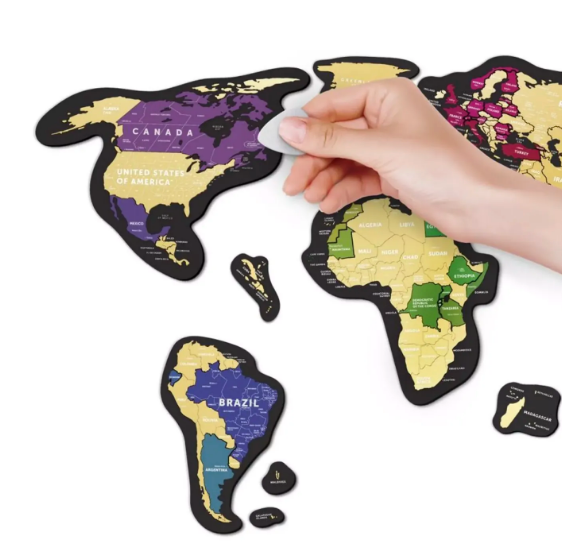
The artwork is your game board. You must design distinct scratch off areas, each clearly numbered or marked to indicate the order of reveal. A designer can help you craft this using the concept of custom scratch off cards, where one card can contain several scratch off areas. This lets you reveal layered clues, branching paths, or puzzle elements on a single card, maximizing the story you can tell within a small space. Think of a map where the first scratch uncovers a region, the second uncovers a hidden temple, and the third reveals the final riddle.
Choosing The Right Materials And Coatings
A board game card is handled, shuffled, and scratched; it has to be a survivor. The cardstock needs to be durable, often using a blue or black core to prevent light from passing through and revealing the hidden text. The scratch off latex itself must be precise, scratching off cleanly without damaging the printing underneath, yet be resilient enough to stay intact during shipping and handling. It's a delicate balance of performance and durability. High quality custom scratch off cards often feature a smooth, even latex coating that won't flake off into the game box and make a mess.
Integrating Game Balance And Logic
The hidden information isn't just for show; it must be balanced. You need to work closely with a consultant to define the game logic and securely manage the variable data of possible outcomes. This ensures a perfect mix of "good" and "bad" reveals in a campaign box, preventing a single player from guessing the hidden content and maintaining the game's integrity and fairness for everyone at the table. For example, if you're making custom scratch off cards for a legacy style game, the progression of reveals must be tested to ensure no story branch becomes impossible or too easy.
Prototyping And Secure Proofing
Never skip the prototyping phase. You need to hold a physical proof of the card, test the scratching experience, and verify that the progressive reveal works exactly as planned in the game flow. This secure proofing stage is where you check the color consistency and layout, ensuring the final product feels as good as it looks. Try scratching with different objects a coin, a fingernail, even a game piece to see how it feels. For custom scratch off cards that demand high precision, multiple rounds of sampling ensure the reveal isn't too hard or too easy, but just right.
Creating A Memorable Unboxing Moment
Finally, think about how the card will be received. Will it be in a sealed envelope inside the box? Will players discover it mid game? The physical design of your custom scratch off cards should build anticipation from the moment it is seen. A well produced progressive reveal card becomes a talking point and a memorable centerpiece of the entire board game campaign, driving word of mouth and player excitement long after the first playthrough.
 EN
EN